Friday, October 12, 2012
Shine On Beautiful Flower!
I am only one, but still I am one. I cannot do everything, but still I can do something; and because I cannot do everything, I will not refuse to do something that I can do. ~ Helen Keller
This quote from Helen Keller is an absolute true reflection of my attitude about living my life as independently as possible as long as I can do so. Every day I appreciate the fact that I can still care for myself. It wasn’t possible after I first sustained my spinal cord injury, and with lots of therapy I was fortunate enough to regain my independence. In the back of my mind, I know the reality of the very likely fact that as I get older, I will probably need additional help. December 13th will be the 29th anniversary of my injury, and I can already feel the difference within my body as I age.
An important part of my therapy has always been to do as much as possible for myself, even if it takes me a little longer to do something. Initially, this was quite awkward for my loved ones to understand. I remember getting mad at them for trying to help me when I was quite awkwardly relearning how to use my hands. Most people who see me today do not fully comprehend the fact that I had to relearn how to do everything; from scratching my nose, to sitting up, to rolling over, feeding myself, to writing, bathing, toileting to dressing, etc. The only way that I could possibly regain my independence was to learn how to do these things for myself.
If someone today grabs the back of my chair, I may instinctively elbow their hand, or worse. I may actually yell at them if they startle me. As mean as this may sound, to a person with a disability it is as insulting as that infamous, patronizing pat on the head. It is a violation of my being, and for a person living without a disability, it is the equivalent of someone touching them inappropriately. I always insist that young children ask me first before pushing on my chair. I demonstrate why they shouldn’t push on my chair (with permission) by gently pushing on them to demonstrate how intrusive this is, and by talking about how they don’t like being shoved by another person. I explain this to adults by telling them that pushing on my chair unexpectedly could actually be dangerous because of my sitting balance. Pushing on my chair on uneven terrain could cause me to fly out of my chair, literally. My attention and focus are on the terrain.
For most people, it is simply within human nature to want to help. I remember unloading my wheelchair from the backseat of my car one time quite awhile back, and my sister sitting there commenting that people must of thought that she was an awful person for not helping me. The fact is that she knew better and she is a great person. Loading and unloading my wheelchair was something that actually became easier for me to do than to have to explain how to disassemble or assemble it to another person. I eventually learned a little trick when I was by myself not to make eye contact with anyone passing by. If I did, they were more compelled to offer their assistance which inevitably would slow me down. There were always plenty of offers asking me if I needed help, but I would only acknowledge with a simple “no thank you”, and without looking up at them because they would become more insistent on helping if I did.
Generally, I know when I need help and I’m pretty good about asking for it. My advice for anyone not knowing what do, is to sit back a second and see if your help is actually needed. Instead of using “do you need help”, I would suggest saying something like “do you want a hand with that” because it actually depicts less dependency. I open doors for other people all of the time, especially if the door is within the proper code for pull resistance. If I stop and look back at you, chances are that I already know that the door ahead of me is very heavy and I would rather not smash my toes on it. As a female, I’m accustomed to having the door open at times anyway. I’m personally not offended by it, but don’t run me over to do it when you see that I’ve gotten it!
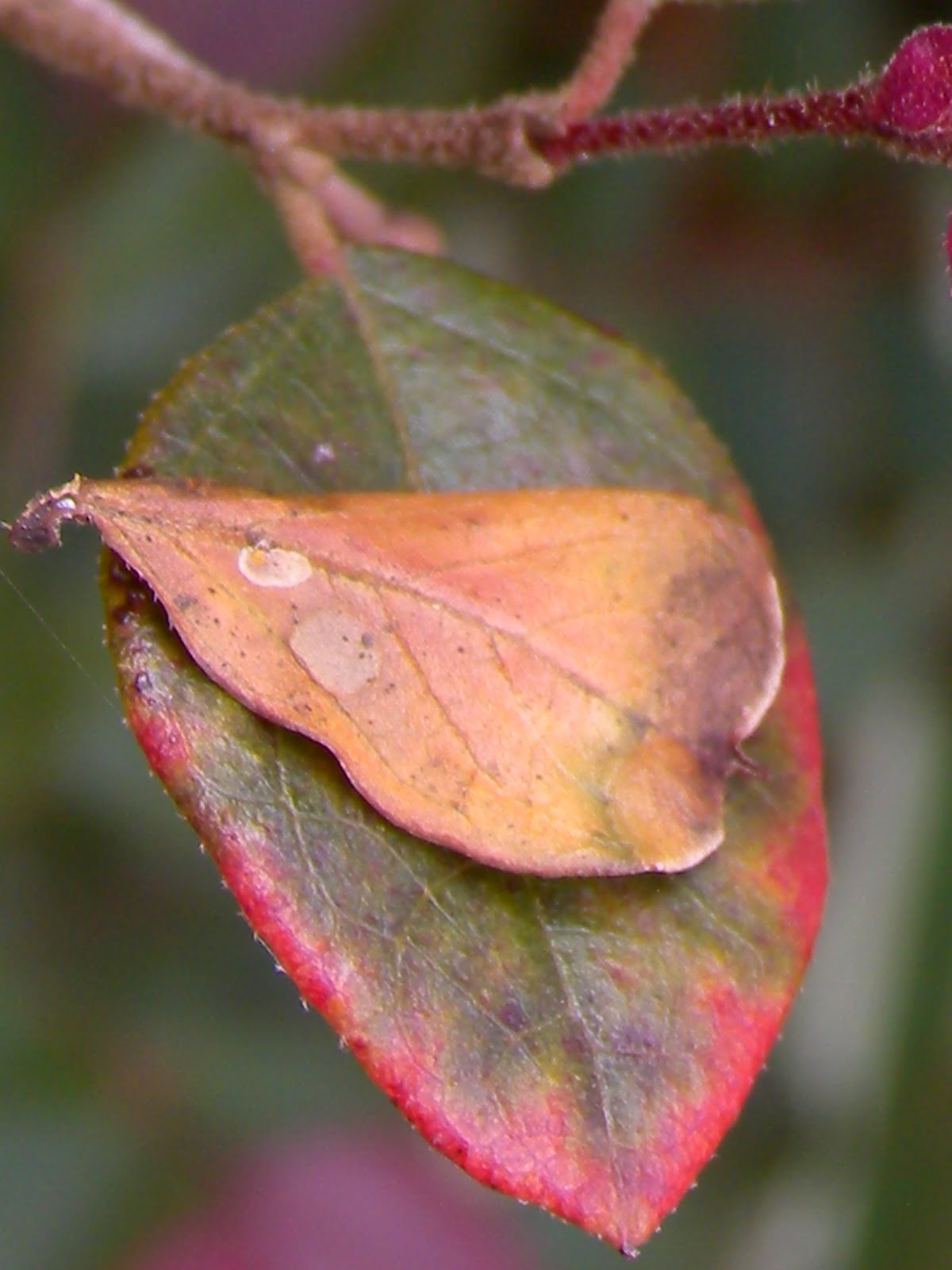
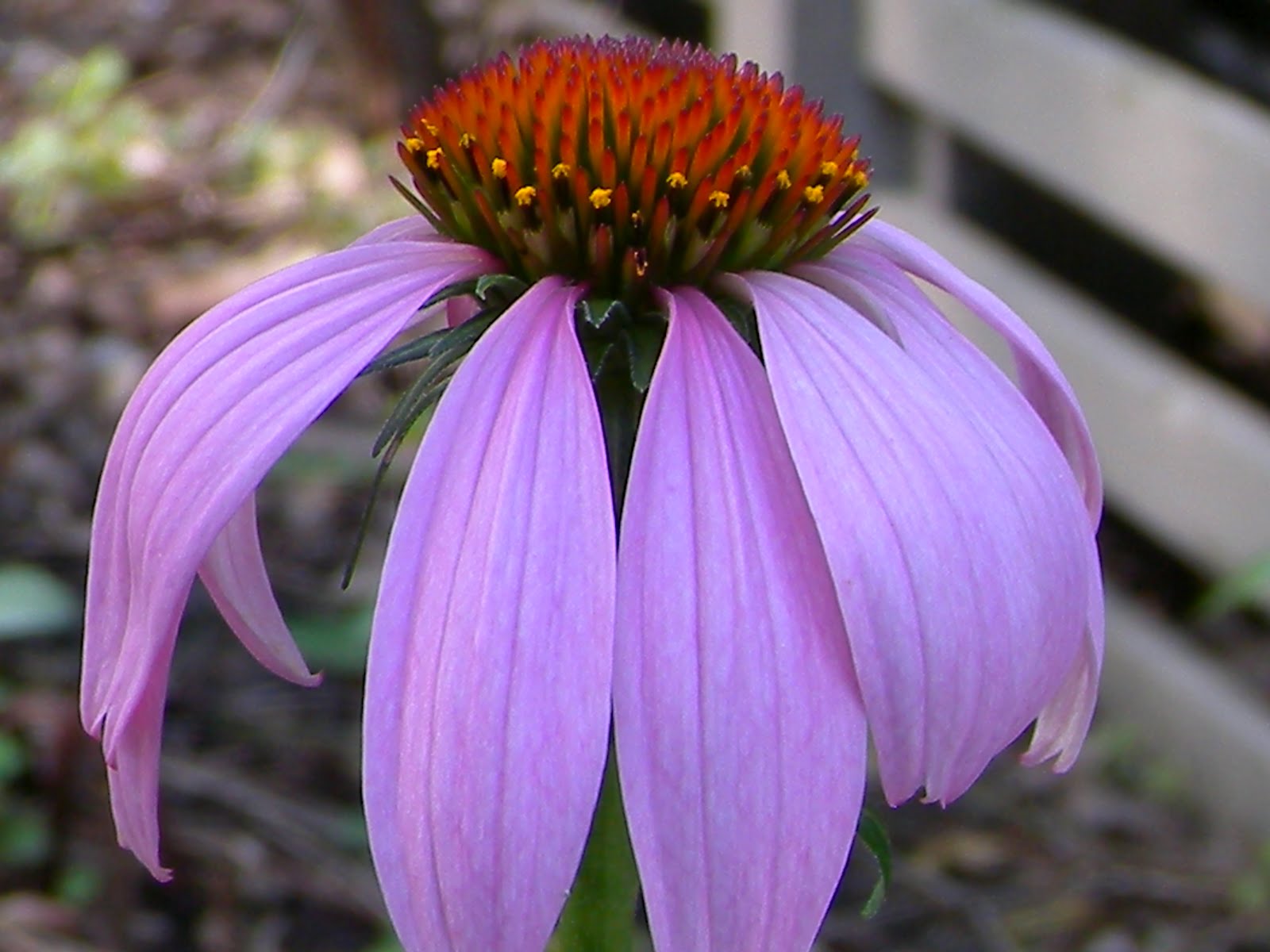
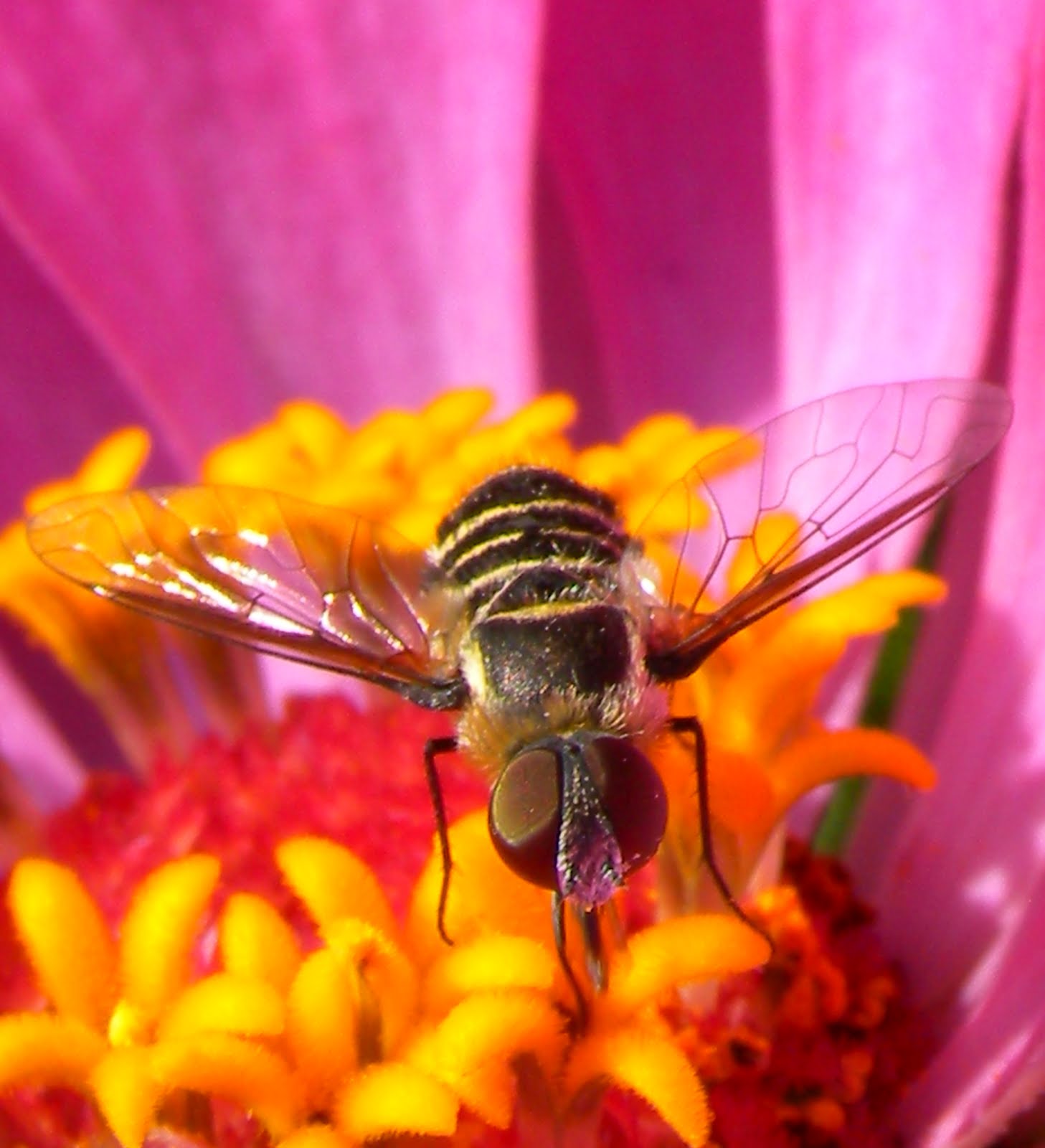
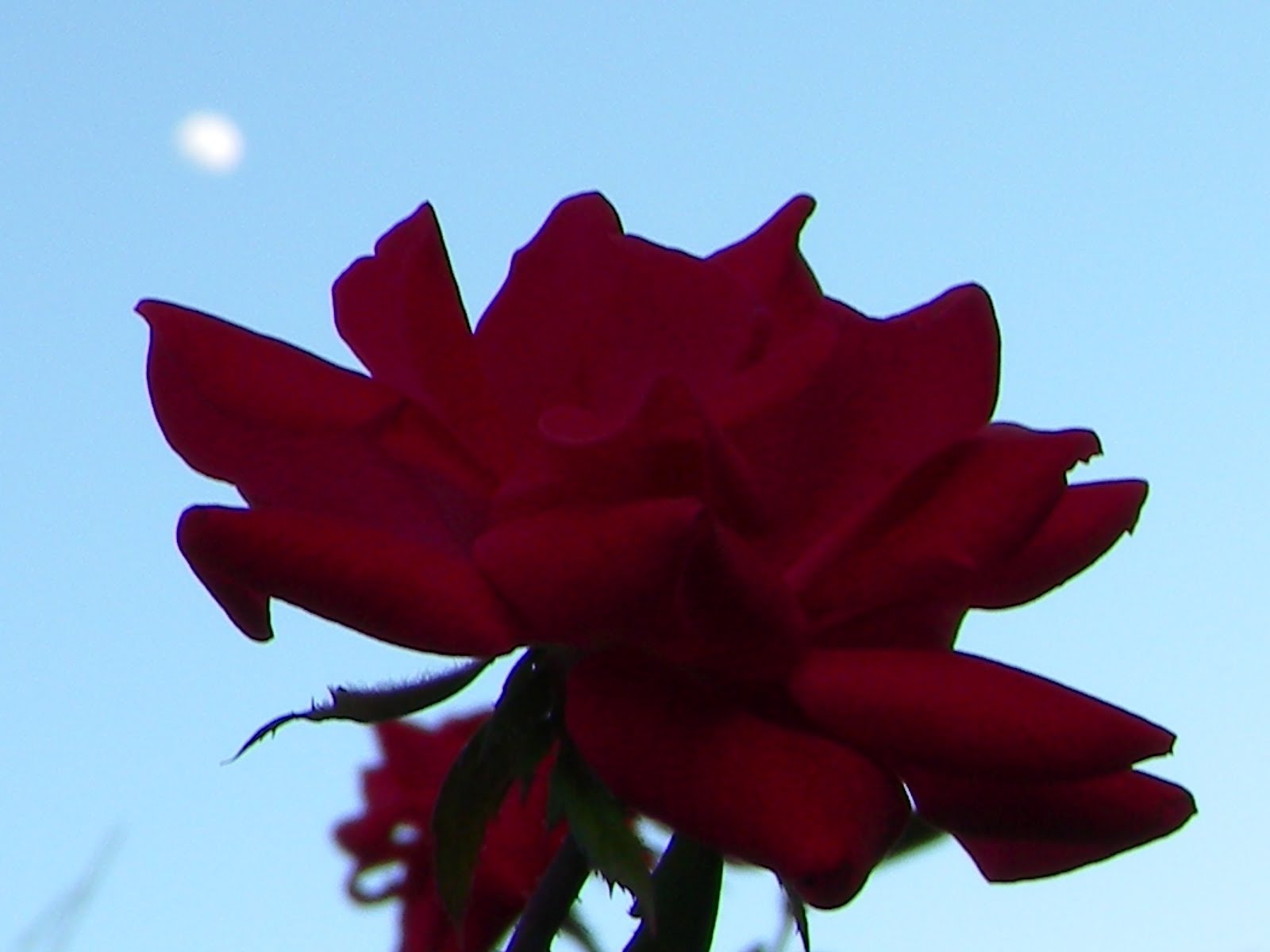
I’ve enjoyed learning to use my camera this summer. I don’t have a lot of flowers, but I have managed to find enough almost daily to photograph. Having fewer flowers allows me to look at each flower with more individual detail. Each flower is slightly different looking than the next one, each looking somewhat unique. I’ve also discovered, after very patiently waiting, that my mystery cosmos are indeed cosmos with several new buds waiting to burst open. There is a weed that looks similar, and I was beginning to think that I was unintentionally, of course, growing giant weeds in front of the house. My patience has paid off, and I will have more flowers to share on my Facebook page, Access to the Garden.
After contacting another editor this week regarding outdated terminology when referring to people with disabilities in what was actually a wonderfully written article on gardening from a wheelchair, I received a thank you from an editor with an amazing attitude.
“Thanks Brenda. I had a twin brother with a disability and he and I have been on the receiving end of language which was hurtful, although not by intention.
We need to learn and evolve in how we communicate. People like you are the leaders in teaching those of us without disabilities. I feel wiser, and more comfortable, in communicating with people who have disabilities thanks to you. I encourage you to continue helping all people in this regard.” ~ editor
Even though occasionally we must deal with the weeds, it’s the beauty of a flower that makes it all worth it! It is always a pleasure to run across a new bloom. For me to revisit those beautiful blooms in photographs in the colder months ahead will be fun while planning what we’ll be planting next year. More cosmos, more sunflowers, more zinnias just to name a few. It will also be a pleasure for me to read more articles written by this editor. As long as I can keep making a difference, I will and as long as I can keep gardening and taking pictures, I will do that too.
Friday, October 5, 2012
Seasons Change
Seasons Change:
"With the new day comes new strength and new thoughts." ~ Eleanor Roosevelt
Very special mums shared by Tracy from a living memorial for her son, Joshua Michael Dague, 9/10/84 - 1/7/2010.
Autumn is in the air, well, at least it is a little. I’m still running around in shorts here in the southeast, but from what I can see, seasonal changes are occurring. Daylight is less, and plants are changing colors. Leaves and acorns are falling too. Many gardeners are tending to their fall vegetable gardens, and somewhat surprisingly, my summer eggplant, tomatoes and okra are still producing. I’ve started my lettuce and spinach, but that’s pretty much it for now. I’m ready to do some of my volunteer time with our Master Gardener's program. This summer has certainly flown by.
I realized even more this week while I was out burying a rotting banana next to a rosebush how much of an impact Access to the Garden was actually making on me. http://www.ehow.com/how_4597259_feed-roses-banana-peels.html I had read that a buried banana near, but not too close to the rose’s roots, was a good source of potassium and phosphorous for roses. Many people on Access to the Garden have done this in the past and many were eager to learn more. I’ve shared some great ideas for containers, construction plans for raised beds, useful tools, and healthy recipes for using many fruits and vegetables. I’ve also learned many helpful tips on various gardening techniques and more about the amazing healthful benefits of many fruits and vegetables too.
I love seeing and hearing from others who are implementing and sharing some of their useful ideas too. To me, this is very cool. To have over 1000 people who are truly interested in Access to the Garden is quite awesome to say the least. This has been a really fun online community. I have loved sharing my photographs, but I have especially loved receiving beautiful photos and very interesting comments from others. When other pages share their photos with Access to the Garden, I feel as if we are an inclusive part of the online gardening community. This is what it is all about!
As a gardener who cares about nutrition and where my food comes from, this has been an incredible learning experience. We are all learning from each other. Accessibility and adaptive equipment are important, but we are all gardeners. This was very evident recently when I shared a photo of my lap full of red and green okra. The inquisitive responses were great. Many people were unfamiliar with the red okra. It is a beautiful plant with red and green leaves and it’s a member of the Hibiscus family. You can tell from its gorgeous flower that it looks similar to a hibiscus. I just became familiar with the red variety this past summer, and I also recently have learned of a good green variety known as the ‘Clemson’ spineless.
Because it is incredibly easy for me to grow, I am planning on growing more of the red okra next year and I am planning on growing some of it intermingled within our landscaping here on our suburban tract. I unfortunately live in a neighborhood with outdated Home Owner’s Association (HOA) rules and regulations pertaining to anyone trying to live a sustainable lifestyle. Next year’s blog will probably include a story on my personal battle with the creation of a yarden, kidding of course. No worries though, I think that I know my limits. Just be sure to familiarize yourself with your own HOA rules and regulations about front yard vegetable gardens if you have to deal with a neighborhood association.
The internet is useful for finding out new ways to prepare food and for discovering many successful ways of growing just about anything. The people and pages online are a wealth of knowledge. Sometimes it is really difficult to siphon through this abundance of information. Sometimes I feel that there may be a possible necessity to add a disclaimer. It seems that for every pro, there is a con. I trust that all of the followers to Access to the Garden will use their own best judgment for what works best for them.
I hope everyone has a great weekend ahead. Some of you are already getting snow and frost, and that is somewhat difficult for me to remember. Your pictures of the beautiful leaves changing have helped me to remember the beauty of fall. We’ve had cold in late October in the past, but our first frost here isn't usually until after the first week of December, and our last frost is sometime in mid-February. It would be nice to take a little excursion west to the mountains, but chances are I’ll be bidding my son farewell as he deploys again with the US Navy.
This week's must share recipe: http://www.skinnykitchen.com/recipes/sinfully-rich-and-skinny-macaroni-cheese-italian-style/
"With the new day comes new strength and new thoughts." ~ Eleanor Roosevelt
Very special mums shared by Tracy from a living memorial for her son, Joshua Michael Dague, 9/10/84 - 1/7/2010.
Autumn is in the air, well, at least it is a little. I’m still running around in shorts here in the southeast, but from what I can see, seasonal changes are occurring. Daylight is less, and plants are changing colors. Leaves and acorns are falling too. Many gardeners are tending to their fall vegetable gardens, and somewhat surprisingly, my summer eggplant, tomatoes and okra are still producing. I’ve started my lettuce and spinach, but that’s pretty much it for now. I’m ready to do some of my volunteer time with our Master Gardener's program. This summer has certainly flown by.
I realized even more this week while I was out burying a rotting banana next to a rosebush how much of an impact Access to the Garden was actually making on me. http://www.ehow.com/how_4597259_feed-roses-banana-peels.html I had read that a buried banana near, but not too close to the rose’s roots, was a good source of potassium and phosphorous for roses. Many people on Access to the Garden have done this in the past and many were eager to learn more. I’ve shared some great ideas for containers, construction plans for raised beds, useful tools, and healthy recipes for using many fruits and vegetables. I’ve also learned many helpful tips on various gardening techniques and more about the amazing healthful benefits of many fruits and vegetables too.
I love seeing and hearing from others who are implementing and sharing some of their useful ideas too. To me, this is very cool. To have over 1000 people who are truly interested in Access to the Garden is quite awesome to say the least. This has been a really fun online community. I have loved sharing my photographs, but I have especially loved receiving beautiful photos and very interesting comments from others. When other pages share their photos with Access to the Garden, I feel as if we are an inclusive part of the online gardening community. This is what it is all about!
As a gardener who cares about nutrition and where my food comes from, this has been an incredible learning experience. We are all learning from each other. Accessibility and adaptive equipment are important, but we are all gardeners. This was very evident recently when I shared a photo of my lap full of red and green okra. The inquisitive responses were great. Many people were unfamiliar with the red okra. It is a beautiful plant with red and green leaves and it’s a member of the Hibiscus family. You can tell from its gorgeous flower that it looks similar to a hibiscus. I just became familiar with the red variety this past summer, and I also recently have learned of a good green variety known as the ‘Clemson’ spineless.
Because it is incredibly easy for me to grow, I am planning on growing more of the red okra next year and I am planning on growing some of it intermingled within our landscaping here on our suburban tract. I unfortunately live in a neighborhood with outdated Home Owner’s Association (HOA) rules and regulations pertaining to anyone trying to live a sustainable lifestyle. Next year’s blog will probably include a story on my personal battle with the creation of a yarden, kidding of course. No worries though, I think that I know my limits. Just be sure to familiarize yourself with your own HOA rules and regulations about front yard vegetable gardens if you have to deal with a neighborhood association.
The internet is useful for finding out new ways to prepare food and for discovering many successful ways of growing just about anything. The people and pages online are a wealth of knowledge. Sometimes it is really difficult to siphon through this abundance of information. Sometimes I feel that there may be a possible necessity to add a disclaimer. It seems that for every pro, there is a con. I trust that all of the followers to Access to the Garden will use their own best judgment for what works best for them.
I hope everyone has a great weekend ahead. Some of you are already getting snow and frost, and that is somewhat difficult for me to remember. Your pictures of the beautiful leaves changing have helped me to remember the beauty of fall. We’ve had cold in late October in the past, but our first frost here isn't usually until after the first week of December, and our last frost is sometime in mid-February. It would be nice to take a little excursion west to the mountains, but chances are I’ll be bidding my son farewell as he deploys again with the US Navy.
This week's must share recipe: http://www.skinnykitchen.com/recipes/sinfully-rich-and-skinny-macaroni-cheese-italian-style/
Thursday, September 27, 2012
Get Out! Equal Enjoyment of the Great Outdoors
Every neighborhood needs a Walden Pond in their back yard, a place where people can be in nature and reconnect to themselves, to the land, and to each other. ~ Open Spaces, Sacred Spaces (http://www.opensacred.org)
Years ago, when I lived in New Hampshire, I remember desiring the opposite. Occasionally, I would find myself in pursuit of an enclosed mall because I was surrounded by open spaces. This was especially true during the winter months, when cabin fever would hit me the worst. I have never really enjoyed shopping in malls. It was more of an issue of having the ability to move around freely without any obstacles that was important. Now, after over twenty years of living in the suburbs in a less severe climate and environment, I truly understand the importance of accessibility within the home landscape as well as to public outdoor spaces to the fullest extent possible.
My first house on 6 acres in NH.
As a person who uses a wheelchair, I understand the necessity of concrete and other compacted materials that permit easier maneuvering for anyone who has any type of mobility disability. I’ve incorporated a stamped concrete path into my own landscape to enhance my own ability to travel independently throughout my yard. My pathway circulates completely around the entire property, front and back. (My lot is less than ¾ of an acre.) As a homeowner, I knew beforehand that I would probably never recoup this expenditure. The expense was for my own sanity. I am a gardener, and I simply enjoy gardening. To a large extent, my ability to connect with nature has been my therapy, both physically and mentally.
Even though I have created this environment within my own suburban oasis, I still love that feeling of getting out to the countryside. Maybe it’s simply the escape from the obnoxious sound of leaf blowers. Who knows? I am quite fortunate in that it only takes me 25 minutes to find farmland. (That is, if there is no traffic.)
Once again this week I have had the opportunity to get out and review a farm for a proposed accessible garden. (This is the part of what I am doing that I truly love.) I always tell myself beforehand that it is a farm, and generally that means it’s probably off of a dirt road too. Regardless of its location, if it is open to the public, the same basic regulations and requirements for accessibility apply. The ADA requires equal access to goods and services. This includes accessible parking as well as accessible routes of travel whenever possible. Pushing or lifting an individual with a disability is not considered a reasonable accommodation.
Sometimes honestly, I’m actually a little bit caught off guard when I visit someplace that I expect to be very accessible and I discover it isn't quite up to my expectations, especially when they offer outdoor programs to people with disabilities.(I don’t know why I’m still surprised considering the number of doctor’s offices that still don’t provide compliant access.) Yet, you still assume that any place that works with people with disabilities on a daily basis would be accessible to the fullest extent possible. Obviously and understandably the foremost priority has been towards program access, and I fully understand that non-profits often have to squeeze by with very limited financial resources.
I honestly believe that in most cases it is more of an issue of not knowing, rather than of not caring. I am also convinced that Building Inspectors could help eliminate many potential issues by informing any business, whether it is a restaurant or a farm, of their entire responsibility under all laws, and not just when the entity changes the use of a facility.
Unfortunately for the business owner, partial accessibility and “not knowing better” do not give them redemption under our judicial system. The obligation to provide access when it can be provided without an undue hardship is still there.
Fortunately for me, there has been a genuine interest and desire to provide greater access from the people who have asked me to visit their farms and gardens. This is incredibly encouraging! After all, I am ‘Access to the Garden.’ People with great attitudes are always a pleasure to work with. It simply makes sense that in order to have an accessible garden you have to be able to get to it easily first and foremost. One less barrier, is one less obstacle to overcome and is one step closer to promoting greater independence. Fantastic! Whenever possible, my objective is to help identify what needs to be done, and to help do something about it.
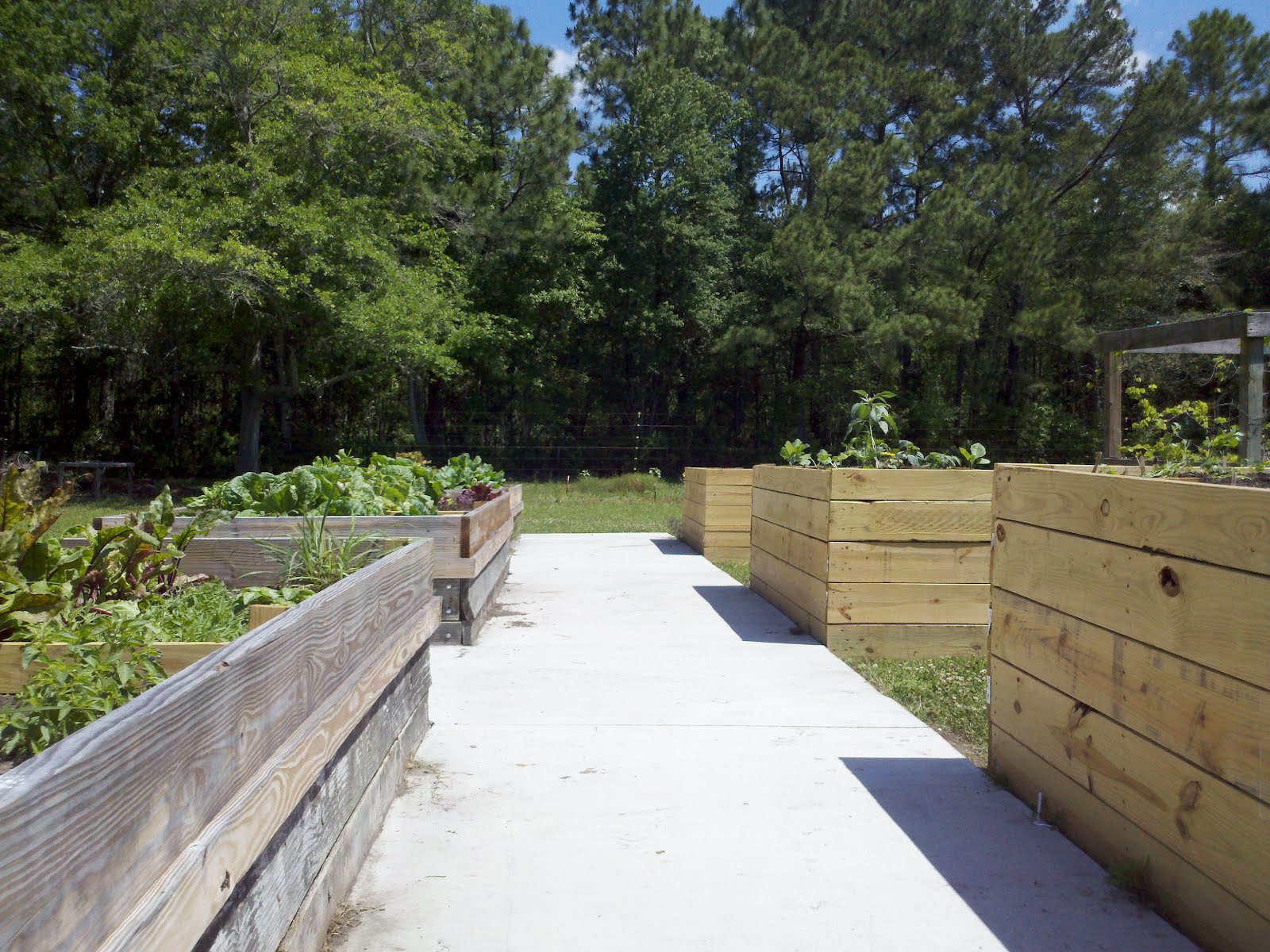
It is exciting for me to be a part of a project that will provide an opportunity for more people with disabilities to get outside and garden. An outdoor environment with a little extra attention given to firm, stable and slip resistant surface materials will provide an opportunity for everyone to benefit from the outdoor experience. The fun part will be creating a variety of raised beds at various heights that will accommodate children and adults with a variety of disabilities. Everyone deserves the opportunity to connect with nature. Garden on!
“Let the shameful wall of exclusion finally come tumbling down.” ~ Former President George H.W. Bush
"The time is always right to do what is right." ~
Martin Luther King, Jr.
Every neighborhood needs a Walden Pond in their back yard, a place where people can be in nature and reconnect to themselves, to the land, and to each other. ~ Open Spaces, Sacred Spaces (http://www.opensacred.org)
Years ago, when I lived in New Hampshire, I remember desiring the opposite. Occasionally, I would find myself in pursuit of an enclosed mall because I was surrounded by open spaces. This was especially true during the winter months, when cabin fever would hit me the worst. I have never really enjoyed shopping in malls. It was more of an issue of having the ability to move around freely without any obstacles that was important. Now, after over twenty years of living in the suburbs in a less severe climate and environment, I truly understand the importance of accessibility within the home landscape as well as to public outdoor spaces to the fullest extent possible.
My first house on 6 acres in NH.
As a person who uses a wheelchair, I understand the necessity of concrete and other compacted materials that permit easier maneuvering for anyone who has any type of mobility disability. I’ve incorporated a stamped concrete path into my own landscape to enhance my own ability to travel independently throughout my yard. My pathway circulates completely around the entire property, front and back. (My lot is less than ¾ of an acre.) As a homeowner, I knew beforehand that I would probably never recoup this expenditure. The expense was for my own sanity. I am a gardener, and I simply enjoy gardening. To a large extent, my ability to connect with nature has been my therapy, both physically and mentally.
Even though I have created this environment within my own suburban oasis, I still love that feeling of getting out to the countryside. Maybe it’s simply the escape from the obnoxious sound of leaf blowers. Who knows? I am quite fortunate in that it only takes me 25 minutes to find farmland. (That is, if there is no traffic.)
Once again this week I have had the opportunity to get out and review a farm for a proposed accessible garden. (This is the part of what I am doing that I truly love.) I always tell myself beforehand that it is a farm, and generally that means it’s probably off of a dirt road too. Regardless of its location, if it is open to the public, the same basic regulations and requirements for accessibility apply. The ADA requires equal access to goods and services. This includes accessible parking as well as accessible routes of travel whenever possible. Pushing or lifting an individual with a disability is not considered a reasonable accommodation.
Sometimes honestly, I’m actually a little bit caught off guard when I visit someplace that I expect to be very accessible and I discover it isn't quite up to my expectations, especially when they offer outdoor programs to people with disabilities.(I don’t know why I’m still surprised considering the number of doctor’s offices that still don’t provide compliant access.) Yet, you still assume that any place that works with people with disabilities on a daily basis would be accessible to the fullest extent possible. Obviously and understandably the foremost priority has been towards program access, and I fully understand that non-profits often have to squeeze by with very limited financial resources.
I honestly believe that in most cases it is more of an issue of not knowing, rather than of not caring. I am also convinced that Building Inspectors could help eliminate many potential issues by informing any business, whether it is a restaurant or a farm, of their entire responsibility under all laws, and not just when the entity changes the use of a facility.
Unfortunately for the business owner, partial accessibility and “not knowing better” do not give them redemption under our judicial system. The obligation to provide access when it can be provided without an undue hardship is still there.
Fortunately for me, there has been a genuine interest and desire to provide greater access from the people who have asked me to visit their farms and gardens. This is incredibly encouraging! After all, I am ‘Access to the Garden.’ People with great attitudes are always a pleasure to work with. It simply makes sense that in order to have an accessible garden you have to be able to get to it easily first and foremost. One less barrier, is one less obstacle to overcome and is one step closer to promoting greater independence. Fantastic! Whenever possible, my objective is to help identify what needs to be done, and to help do something about it.
It is exciting for me to be a part of a project that will provide an opportunity for more people with disabilities to get outside and garden. An outdoor environment with a little extra attention given to firm, stable and slip resistant surface materials will provide an opportunity for everyone to benefit from the outdoor experience. The fun part will be creating a variety of raised beds at various heights that will accommodate children and adults with a variety of disabilities. Everyone deserves the opportunity to connect with nature. Garden on!
“Let the shameful wall of exclusion finally come tumbling down.” ~ Former President George H.W. Bush
"The time is always right to do what is right." ~
Martin Luther King, Jr.
Wednesday, September 19, 2012
Making a Difference: Dedication and Hard Work
And we got to get ourselves back to the garden.
~WOODSTOCK
by Joni Mitchel
Sometimes advocacy requires collaboration amongst individuals and groups of individuals representing people with disabilities. Years ago, I remember being nominated to serve on our Governor’s appointed Independent Living Council and since then I’ve been asked to serve again, even very recently. I’ve always declined this nomination because I consider equal access to be only a part of independent living, and there are specific groups throughout the entire state that represent the complete philosophy of independent living more comprehensively than I would ever wish to.
I once chaired our Mayors’ Commission on Disabilities and later served as the chair of the Mayors' Accessibility sub-committee. I was also a past president of a local wheelchair sports and advocacy association. I served on our state’s Spinal Cord Injury Association’s Council and have served on a few other committees throughout my time here in the south. I realized years ago that my main interest is accessibility, and I have always tried to focus on that issue specifically. Eventually I will focus entirely on access to parks, farms and all forms of gardening. (I'm enjoying this endeavor thus far.)
Advocacy often requires a union of all disability related non-profit organizations and individuals. Sometimes personal or family relationships hinder our individual ability to advocate. There will always be conflicts, and negative repercussions do occur. (We all have to eat and pay our bills.) Recently, I made a comment on a friend’s video of a beautiful aerial view of a nearby city. When I travel throughout the region, I see ramps, curb-cuts, and buildings that I have had direct involvement with regarding accessibility, whether individually or through an association. I had stated that I see my mark within the city and surrounding areas, even though I know a lot more needs to be done. I take pride in knowing that I have been involved with and have lead many efforts which have resulted in many great accomplishments throughout, as a therapist would feel with the gains of a patient. Even though a therapist works with a patient directly, there are many others involved in that particular patient’s recovery. I also see the marks of many more advocates before and after me.
My blog this week is a dedication to all of those who have made a difference within their community or are in the process of making a difference now. My appreciation is truly heartfelt! There is no way that one individual alone can make all the change that is necessary. No way! As we all go about our individual lives, it is important to know that we can all make a difference. To those of you who have had no other option but to exercise your legal right, thank you too. Sometimes an owner's refusal to cooperate and provide access leads to this too, especially since it is 2012 and these regulations have been around for a very long time.
My long time friend Gilbert Smith with his great grandson.
I was once misinterpreted as telling someone to sue an institution. At the time, I was working as a paid Contractor for an Independent Living Center, and it was my responsibility to inform any consumer of all of their options, legal ones as well. Although legal action is often necessary, it has never been my personal approach to resolving accessibility issues. In retrospect, it probably should have been in a few instances, results are often obtained much faster. Equal access is a Civil Right, and yet we are still denied that right of equal access to goods and services.
On a positive note, things are improving because of the efforts of many. Business owners are recognizing that improved accessibility benefits everyone. To me, it’s more about universal design and going beyond any regulation whenever possible. A perfect example of this is with a required ramp slope. Regulations require 1 foot of ramp per 1 inch of rise, 1:12. In other words, an 8 inch step would require an 8 foot ramp (96 inches long). If space permits, why not make it less steep and build a ramp that has a slope of 1:20 (160 inches long)? Sometimes, it’s just a matter of common sense.
I once attended an Independent living symposium and the keynote speaker asked the audience, “How many people would like to live in a nursing home?” No one raised their hand. Yet many people design houses with tiny bathroom doors, and don’t take into consideration what their homes would require if accessibility became necessary. The same is true with our gardens and farms.
With the right kind of adaptive equipment, gardening is possible for almost everyone. People living with disabilities as well as aging adults can benefit from the many benefits of gardening. As we age, our gardens have to evolve with us, and even gardeners with disabilities change their gardens as they age to compensate for any decrease in stamina. Knowing that limitations are present both physically within us and within the environment itself and understanding what adaptations are necessary is the key to our successful continuation and ability to garden or farm.
On one of my last farm visits, I met the proprietor whose means of mobility on the farm was a golf cart. The golf cart allowed him to move about the entire farm with ease. He was actively training an intern with his vast amount of knowledge on farming. Even though he has workers to help out in the fields, his contribution of knowledge is valued and necessary for the survival of the farm. His fingernails were dirty enough to tell me that he still enjoyed digging in the dirt too.
My belief has always been that for our survival we do as much for ourselves as long as we can. Sometimes we just have to be a little more creative with how we’re going to do it. Sometimes we have to ask for help, that’s life. My husband repeatedly tells me, “Let me do it, it is easier for me to do it,” and my response is always the same, “It is easier for you to do almost everything, so does that mean I should do nothing?” I may be slower, but I get it done. End of story.
WOODSTOCK
Crosby, Stills, Nash & Young
by Joni Mitchel
Well I came across a child of God
He was walking along the road
And I asked him tell where are you going
This he told me
Well I am going down to Yasgur's farm
Going to join in a rock and roll band
Goin' to get back to the land to set my soul free
We are stardust, we are golden
We are 2 billion year old carbon
And we got to get ourselves back to the garden
Well then can I walk beside you
I have come to lose the smog
And I feel like I'm a cog in something turning
And maybe it's the time of year
Yes and maybe it's the time of man
And I don't know who I am
But life is for learning
We are stardust, we are golden
We are 2 billion year old carbon
And we got to get ourselves back to the garden
By the time we got to Woodstock
We were half a million strong
And everywhere there was song and celebration
And I dreamed I saw the bombers jet planes
Riding shotgun in the sky
Turning into butterflies
Above our nation.
We are stardust, we are golden
We are 2 billion year old carbon
And we got to get ourselves back to the garden
~WOODSTOCK
by Joni Mitchel
Sometimes advocacy requires collaboration amongst individuals and groups of individuals representing people with disabilities. Years ago, I remember being nominated to serve on our Governor’s appointed Independent Living Council and since then I’ve been asked to serve again, even very recently. I’ve always declined this nomination because I consider equal access to be only a part of independent living, and there are specific groups throughout the entire state that represent the complete philosophy of independent living more comprehensively than I would ever wish to.
I once chaired our Mayors’ Commission on Disabilities and later served as the chair of the Mayors' Accessibility sub-committee. I was also a past president of a local wheelchair sports and advocacy association. I served on our state’s Spinal Cord Injury Association’s Council and have served on a few other committees throughout my time here in the south. I realized years ago that my main interest is accessibility, and I have always tried to focus on that issue specifically. Eventually I will focus entirely on access to parks, farms and all forms of gardening. (I'm enjoying this endeavor thus far.)
Advocacy often requires a union of all disability related non-profit organizations and individuals. Sometimes personal or family relationships hinder our individual ability to advocate. There will always be conflicts, and negative repercussions do occur. (We all have to eat and pay our bills.) Recently, I made a comment on a friend’s video of a beautiful aerial view of a nearby city. When I travel throughout the region, I see ramps, curb-cuts, and buildings that I have had direct involvement with regarding accessibility, whether individually or through an association. I had stated that I see my mark within the city and surrounding areas, even though I know a lot more needs to be done. I take pride in knowing that I have been involved with and have lead many efforts which have resulted in many great accomplishments throughout, as a therapist would feel with the gains of a patient. Even though a therapist works with a patient directly, there are many others involved in that particular patient’s recovery. I also see the marks of many more advocates before and after me.
My blog this week is a dedication to all of those who have made a difference within their community or are in the process of making a difference now. My appreciation is truly heartfelt! There is no way that one individual alone can make all the change that is necessary. No way! As we all go about our individual lives, it is important to know that we can all make a difference. To those of you who have had no other option but to exercise your legal right, thank you too. Sometimes an owner's refusal to cooperate and provide access leads to this too, especially since it is 2012 and these regulations have been around for a very long time.
My long time friend Gilbert Smith with his great grandson.
I was once misinterpreted as telling someone to sue an institution. At the time, I was working as a paid Contractor for an Independent Living Center, and it was my responsibility to inform any consumer of all of their options, legal ones as well. Although legal action is often necessary, it has never been my personal approach to resolving accessibility issues. In retrospect, it probably should have been in a few instances, results are often obtained much faster. Equal access is a Civil Right, and yet we are still denied that right of equal access to goods and services.
On a positive note, things are improving because of the efforts of many. Business owners are recognizing that improved accessibility benefits everyone. To me, it’s more about universal design and going beyond any regulation whenever possible. A perfect example of this is with a required ramp slope. Regulations require 1 foot of ramp per 1 inch of rise, 1:12. In other words, an 8 inch step would require an 8 foot ramp (96 inches long). If space permits, why not make it less steep and build a ramp that has a slope of 1:20 (160 inches long)? Sometimes, it’s just a matter of common sense.
I once attended an Independent living symposium and the keynote speaker asked the audience, “How many people would like to live in a nursing home?” No one raised their hand. Yet many people design houses with tiny bathroom doors, and don’t take into consideration what their homes would require if accessibility became necessary. The same is true with our gardens and farms.
With the right kind of adaptive equipment, gardening is possible for almost everyone. People living with disabilities as well as aging adults can benefit from the many benefits of gardening. As we age, our gardens have to evolve with us, and even gardeners with disabilities change their gardens as they age to compensate for any decrease in stamina. Knowing that limitations are present both physically within us and within the environment itself and understanding what adaptations are necessary is the key to our successful continuation and ability to garden or farm.
On one of my last farm visits, I met the proprietor whose means of mobility on the farm was a golf cart. The golf cart allowed him to move about the entire farm with ease. He was actively training an intern with his vast amount of knowledge on farming. Even though he has workers to help out in the fields, his contribution of knowledge is valued and necessary for the survival of the farm. His fingernails were dirty enough to tell me that he still enjoyed digging in the dirt too.
My belief has always been that for our survival we do as much for ourselves as long as we can. Sometimes we just have to be a little more creative with how we’re going to do it. Sometimes we have to ask for help, that’s life. My husband repeatedly tells me, “Let me do it, it is easier for me to do it,” and my response is always the same, “It is easier for you to do almost everything, so does that mean I should do nothing?” I may be slower, but I get it done. End of story.
WOODSTOCK
Crosby, Stills, Nash & Young
by Joni Mitchel
Well I came across a child of God
He was walking along the road
And I asked him tell where are you going
This he told me
Well I am going down to Yasgur's farm
Going to join in a rock and roll band
Goin' to get back to the land to set my soul free
We are stardust, we are golden
We are 2 billion year old carbon
And we got to get ourselves back to the garden
Well then can I walk beside you
I have come to lose the smog
And I feel like I'm a cog in something turning
And maybe it's the time of year
Yes and maybe it's the time of man
And I don't know who I am
But life is for learning
We are stardust, we are golden
We are 2 billion year old carbon
And we got to get ourselves back to the garden
By the time we got to Woodstock
We were half a million strong
And everywhere there was song and celebration
And I dreamed I saw the bombers jet planes
Riding shotgun in the sky
Turning into butterflies
Above our nation.
We are stardust, we are golden
We are 2 billion year old carbon
And we got to get ourselves back to the garden
Subscribe to:
Posts (Atom)